
Most people walk into a frame shop, or scroll through Jumia and Jiji, looking for something to hold a photo. They see “acrylic frame,” assume it means plastic, cheap, and temporary, and either dismiss it entirely or buy it without understanding what they’re actually getting. Both decisions are expensive mistakes.
If you’ve been trying to figure out whether a 16×20 acrylic frame is worth it, or if it’s even the right thing, this is what you need to read before spending a naira.
16×20 Acrylic Frame Gallery Set: What It Actually Looks Like
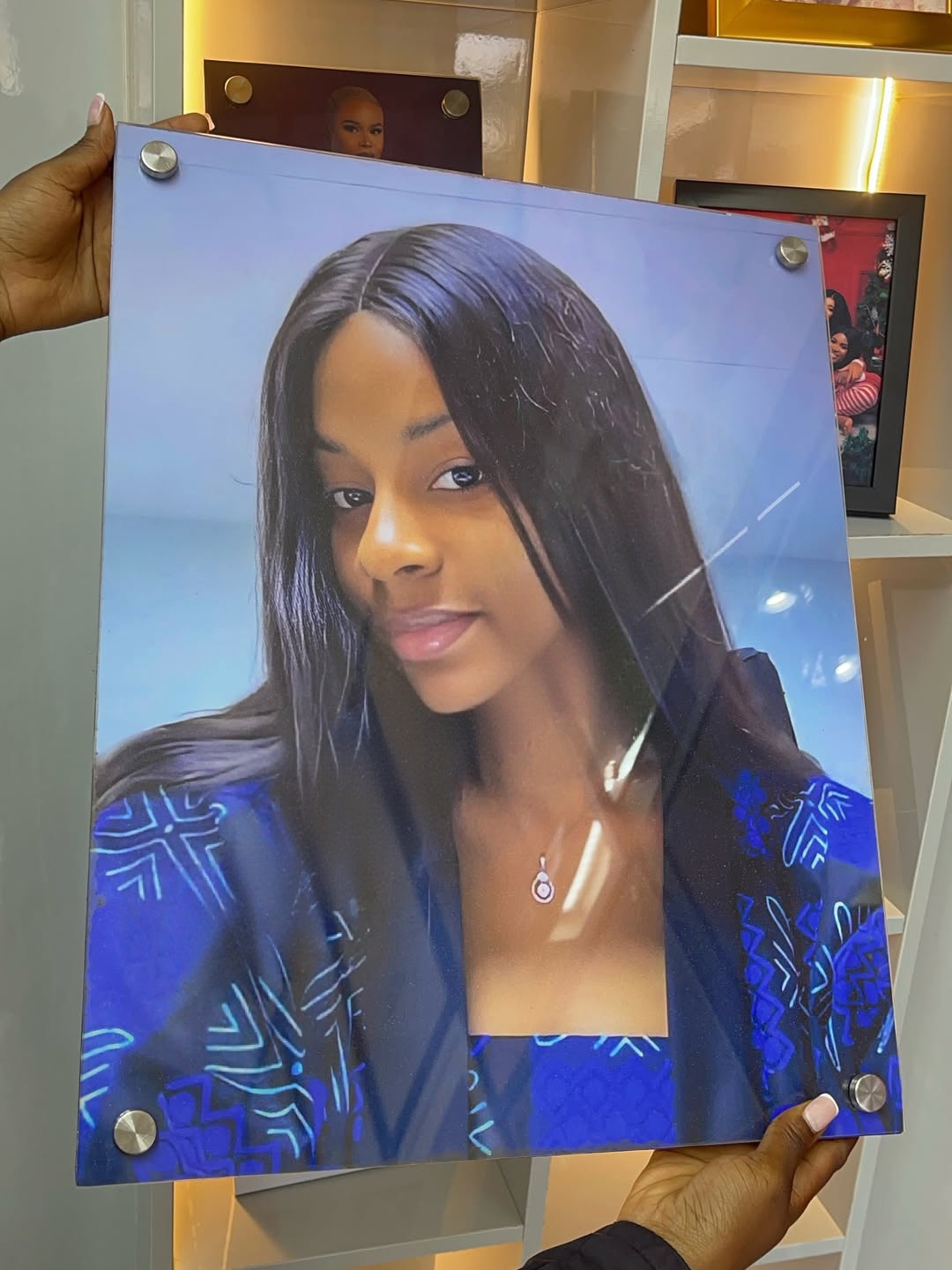




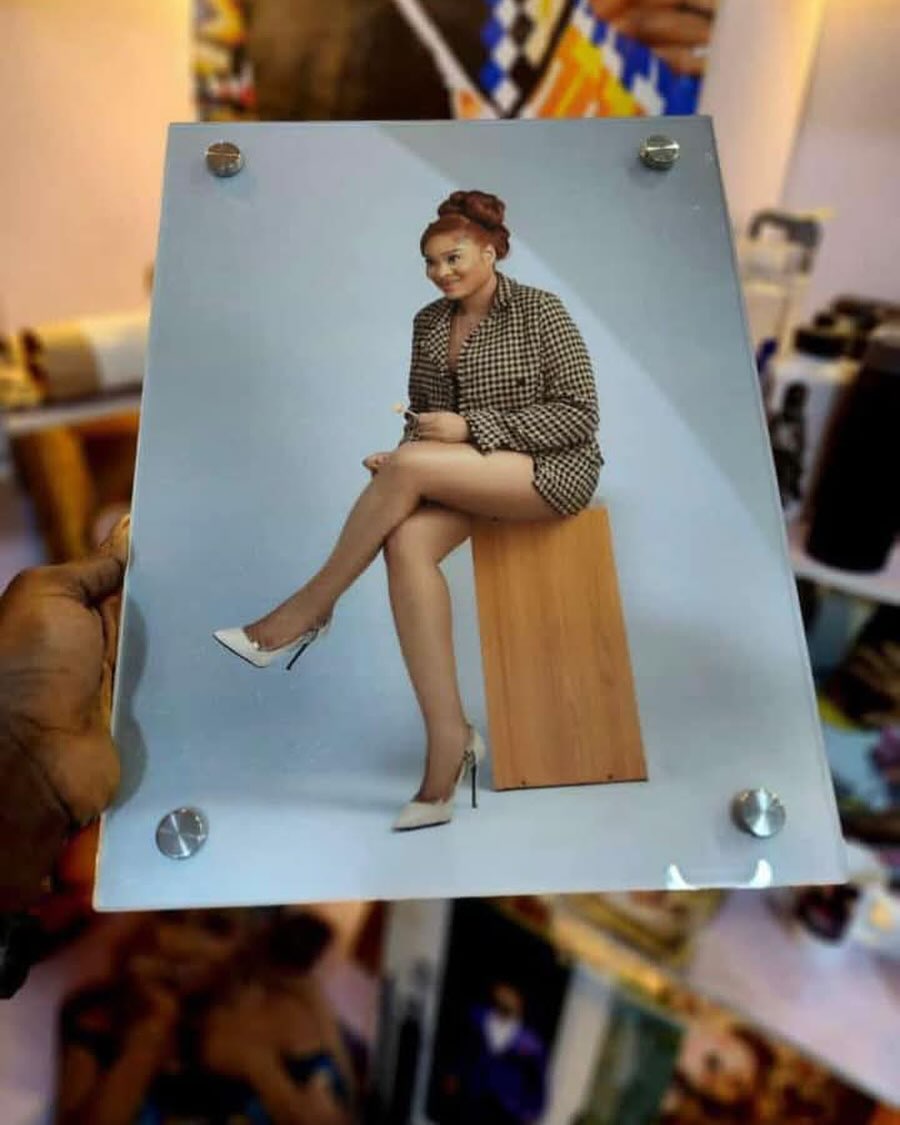


What a 16×20 Acrylic Frame Actually Is
A 16×20 acrylic frame is a frame built to hold a print, photograph, or artwork that measures 16 inches by 20 inches. That part is straightforward. The material is where most people get confused.
The front panel, the clear protective face that covers your image, is made from acrylic rather than glass. Acrylic is a transparent thermoplastic that has been in use for over 80 years. It can be moulded into various shapes and sizes and rivals the clarity of glass, but with a fraction of the weight.
Here’s the thing that frame shops in Lagos, Abuja, and Port Harcourt rarely explain upfront:
the quality of an acrylic frame varies significantly depending on the acrylic grade used.
At different levels, you get:
| Level | Type of Acrylic | Key Benefit |
|---|---|---|
| Entry level | Standard clear acrylic | Basic protection and clarity |
| Professional level | UV-filtering acrylic | Blocks harmful light and prevents fading |
UV-resistant coatings protect prints from fading, ensuring the memories captured remain vibrant for years to come.
The 16×20 size itself sits at an important threshold. For frames larger than 16 by 20 inches, the weight difference between a glass and acrylic cover becomes significant, which is why glass is more frequently used for smaller frames. At 16×20 and above, acrylic is not just an alternative. For most practical purposes, it is the smarter material.
What Makes It Different from a Regular Glass Frame
This is the question that actually matters when you’re deciding what to buy.
Glass is heavier, especially at this size. As frame sizes increase, the weight difference becomes even more noticeable, for large-scale artwork, gallery walls, or multi-piece installations, acrylic is often the practical and professional choice.
Glass also shatters.
If a 16×20 glass-fronted frame falls off the wall, and walls in Nigeria, with humidity-affected plaster and temperamental hooks, have a habit of doing that, you are dealing with:
- Dangerous shards near your print
- Risk to your floor
- Potential injury to anyone in the room
Unlike glass, which can shatter into dangerous shards, acrylic is shatter-resistant. If your frame happens to fall, the acrylic is far less likely to break, making it a safer option, especially in homes with kids or in high-traffic areas.
One more thing most sellers will not tell you:
Online framers most often use acrylic to reduce the possibility of damage during delivery.
Since glass is sharp and dangerous when shattered, vendors shipping across states rely on acrylic. When Nigerian vendors ship frames from Lagos to Port Harcourt or Abuja to Enugu, acrylic is the material that survives the journey. Glass frequently does not.
What a 16×20 Acrylic Frame Is Not
It is not cheap plastic.
This is the assumption that causes the most frustration, both for buyers and for reputable frame makers.
Acrylic is used in:
- Museum-grade display cases
- Gallery exhibitions
- Professional photography studios
The material is not the issue. The grade is.
| Price Range | What Changes | Why It Matters |
|---|---|---|
| Lower-cost frames | Thinner acrylic, no UV coating | Less durability and protection |
| Higher-quality frames | Thicker, polished, UV-coated acrylic | Better clarity, longevity, and finish |
When you buy a 16×20 acrylic frame for N15,000 from a trusted frame specialist and one for N4,000 from a random listing, you are not buying the same thing. That price gap reflects material quality, not just profit margin.
It is not an acrylic print.
This distinction trips up a surprising number of buyers.
| Product Type | Description | Key Difference |
|---|---|---|
| Acrylic print | Image bonded directly to acrylic | No separate frame |
| Acrylic frame | Frame with acrylic front panel | Holds your own artwork |
An acrylic print (also called a face-mounted print) is the display itself. An acrylic frame is simply the casing that holds your artwork.
They are different products, different price points, and different aesthetics. Buying one when you need the other will not end well.
It is not automatically UV-protective.
Not every 16×20 acrylic frame comes with UV-filtering acrylic.
Standard clear acrylic offers some protection, but it is not enough for:
- Areas near windows
- Brightly lit rooms
- Spaces with consistent natural light
UV acrylic is particularly noteworthy for the protection it offers, a great complement to its strength and durability.
Always ask before you buy. A good frame specialist will tell you exactly which grade of acrylic they use.
It is not scratch-proof.
This is the one real trade-off that acrylic makes relative to glass.
Acrylic is more susceptible to scratches, and proper care matters:
- Do not use paper towels
- Avoid rough cloths
- Never use standard glass cleaner
Use a microfibre cloth instead.
Handle the acrylic face with clean, dry hands, and you will have no problem.
Handle it carelessly, and you will see the scratches.
The Question Most People Do Not Think to Ask
Before you buy any 16×20 acrylic frame, whether from a specialist or a marketplace vendor, ask one question:
Does this frame’s opening measure a full 16×20, or is it designed for a mat?
Some frames:
- Show your print edge to edge
- Include a mat that reduces visible size (e.g., 11×14 or 12×16)
If you have a full-bleed 16×20 print and buy a matted frame without realizing it, your image will be cropped.
This is a very common and entirely avoidable mistake.
The Honest Summary
A 16×20 acrylic frame is the right choice for this size of print in most situations:
- Lighter to hang
- Safer if it falls
- More protective over time (with UV-rated acrylic)
It is not a compromise. It is what professionals and galleries actually use for work at this scale.
What it requires from you:
- A little more care in cleaning
- A little more attention when buying
- Enough curiosity to ask what grade of acrylic you are getting
The frame is not the last thing to think about. For a print you care about, it is the first.